


Quality & process
Where the consistency actually comes from
Ageing, gentle milling and sorting in series. Three unremarkable things done properly, which is the whole difference between a mill you reorder from and one you do not.
Field to port
Six stages between the paddy and your quay
Nothing here is unusual for a good mill. It is listed because buyers who have been let down before want to know exactly where the control points are.
-

Sourcing
Paddy is bought at the mandi and through direct contracts across the basmati belt of Punjab, Haryana and Rajasthan, where the soil and a cool October give the grain its length and aroma.
Punjab · Haryana · Rajasthan
-
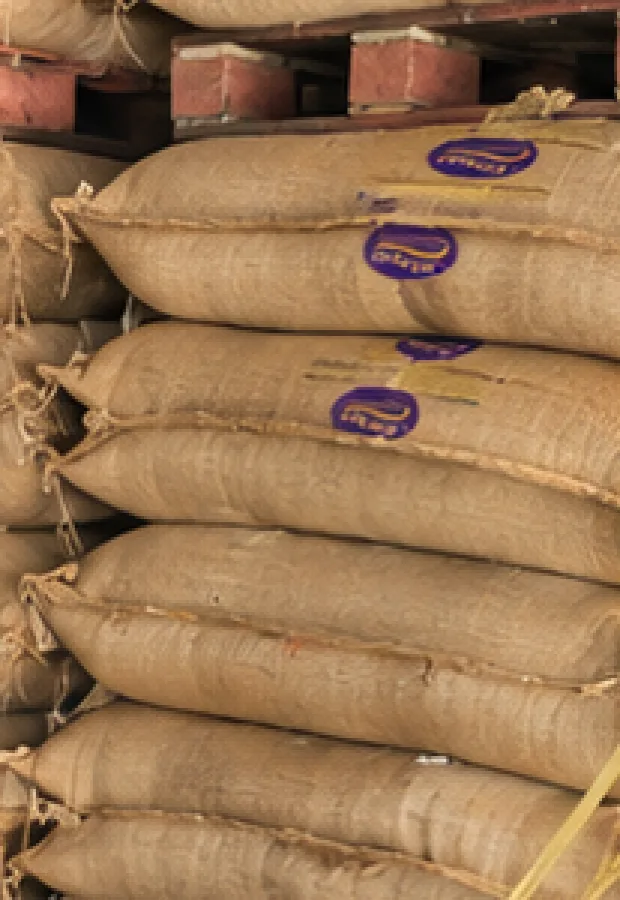
Ageing
Paddy rests in ventilated godowns for twelve to twenty-four months. Ageing drives down moisture, hardens the kernel and is the single largest reason one mill’s 1121 cooks better than another’s.
12 – 24 months
-

Milling
Rubber-roll shelling and gentle multi-stage polishing. Slower than an abrasive mill, and it is what keeps breakage under one per cent on an extra-long grain.
Rubber roll · 4-stage polish
-
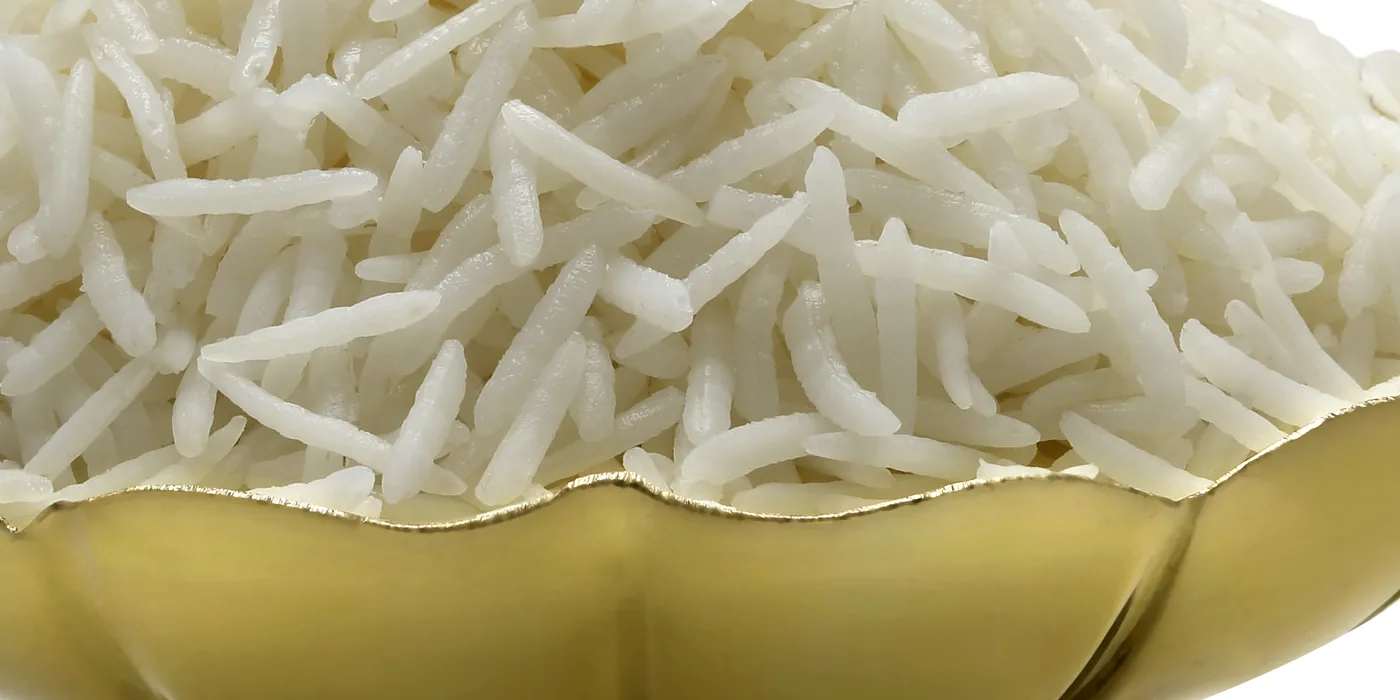
Grading
Destoners, length graders and colour sorters run in series. Every lot is drawn, measured and photographed before it is cleared for packing.
Sortex · length grade · lot report
-
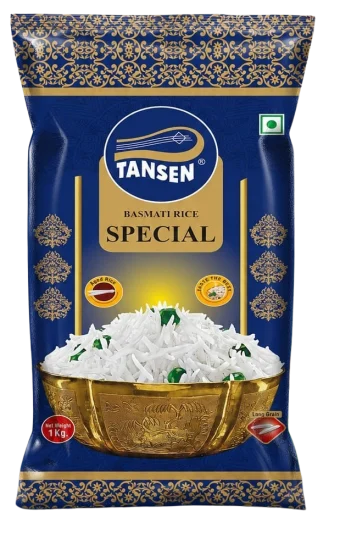
Packing
Consumer packs from 1 kg to 25 kg and bulk in 50 kg jute or PP. Private label is printed to your artwork, barcoded and shrink-wrapped for your market.
1 · 5 · 10 · 20 · 25 · 50 kg
-

Shipping
Fumigation, certificate of origin, phytosanitary certificate and bill of lading are prepared before the container is sealed. Documents reach you the day it sails.
FOB · CIF · CFR

Inside the plant
Where your container is actually filled
Six stops between the weighbridge and the quay. Ask for a video walkthrough of any of them, or come and see it — buyers are welcome at the mill.

Before you write
The six things buyers ask first
Still not sure which grade suits your market?
+91 96105 33333What is the minimum order?
One 20ft container — about 26 MT bagged. Mixed grades in a single container are fine, in full-pallet multiples.
Can we see a sample before ordering?
Yes. We courier a 500 g sample of any grade at no charge, with the lot report for that batch. Tell us the grade and the destination address.
What are your payment terms?
Irrevocable letter of credit at sight, or 30% advance by telegraphic transfer with the balance against a scanned bill of lading. Terms open up once we have shipped together.
How long from order to sailing?
Twelve to eighteen days for a standard grade in stock packaging. Private-label print adds seven to ten days for the first run only.
Do you supply on a private label?
Most of our volume ships under a buyer’s own brand. Send your artwork and market declarations and we will return a print proof.
Which documents come with the shipment?
Commercial invoice, packing list, certificate of origin, phytosanitary certificate, fumigation certificate, and the bill of lading. Any additional certificate your customs requires can be arranged.

Request a quote
Tell us the grade, the quantity and the port
That is enough for a firm price. Everything else — packing, documents, terms — we can settle in the reply.
- A reply within one working day, from a person.
- A free 500 g sample of any grade, couriered with its lot report.
- No mailing list. We answer your question and stop.